2026-1-23
(Courtesy of Taiwan Panorama January 2026)
Cathy Teng /photo by Lin Min-hsuan /tr. by Geof Aberhart
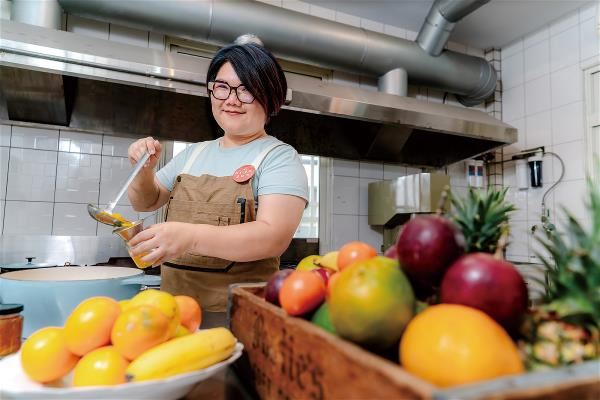
Visiting the hometown of “Jam Queen” Ke Ya in Shengang, Changhua County, you’re immediately greeted by powerful winds—a local specialty. In 2019, those winds reached international shores as this daughter of Shengang took the jam world by storm, sweeping competitions in the UK and Japan. This triumph was Ke Ya’s way of translating Taiwan’s terroir, its fruits, and its artisan spirit into something the world could taste—making jam a microcosm of the island’s essence.
Jam: Nature’s perfume
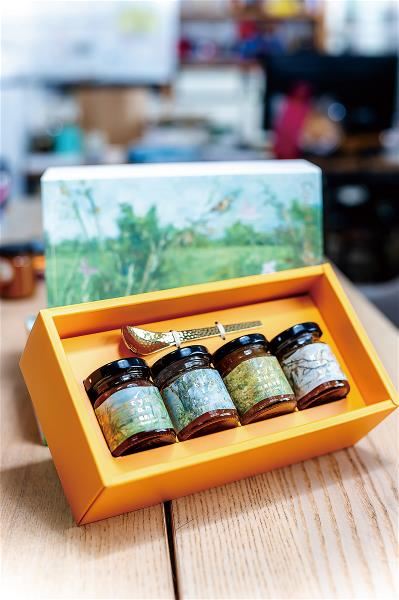
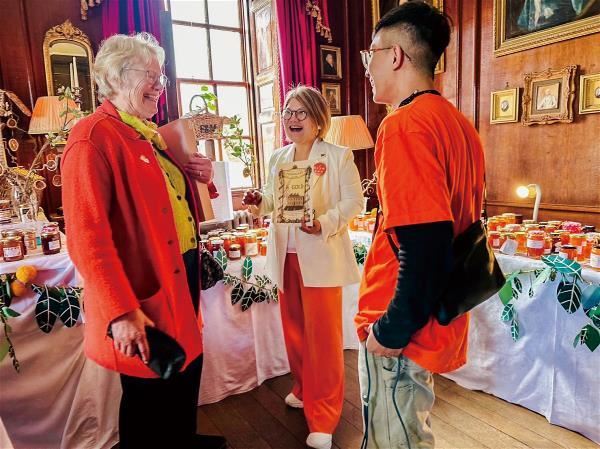
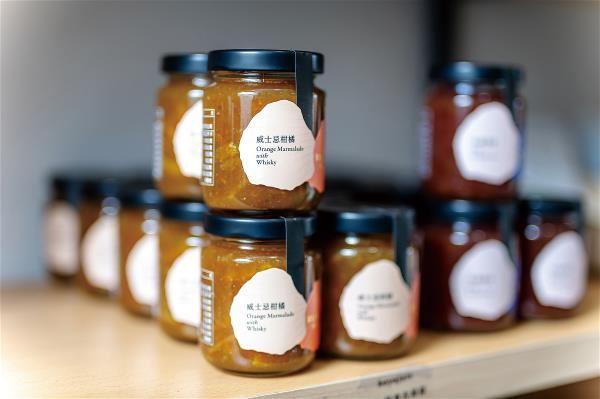
Twist open the lid and scoop out a spoonful of Orange Blossom, Kumquat & Yellow Lemon Marmalade, and it’s like inhaling a blended perfume. The sweet fragrance of Yilan kumquats forms the fresh top note; the tart brightness of Pingtung lemons transitions into an alluring middle note; and a subtle orange blossom aroma lingers as the elegant base note. This creation swept the 2019 Dalemain Marmalade Awards in Penrith, England, taking home the prestigious Double Gold, and was even picked up by Fortnum & Mason, tea suppliers to the British royal family.
Open another jar—Orange Marmalade with Osmanthus & Lemon—and you’ll find a beautiful harmony between the bright acidity of lemon and the delicate fragrance of osmanthus flowers. The inspiration struck Ke Ya during an evening walk as the elegant scent of osmanthus drifted from hedges throughout the neighborhood. She distilled Taiwan’s landscape and daily life right into her jam. Another boundary-pushing creation, Gin & Tonic Marmalade, blends gin, grapefruit, and yellow lemon, transforming a classic cocktail into something you can spread on toast. Both won gold medals in 2023.
These Asian-inspired flavors won over European judges, but what’s even more striking is Ke Ya’s philosophy: “Jam is a love letter written by the land, and the land uses me as its postman to deliver that letter into your hands.” Through jam, consumers experience nature and connect with the earth.
Through these “edible perfumes,” she captures Taiwan’s distinctive aromas and cultural memories in a jar, creating an unmistakably Taiwanese identity that has caught the world’s imagination.
Like four seasons in one jar
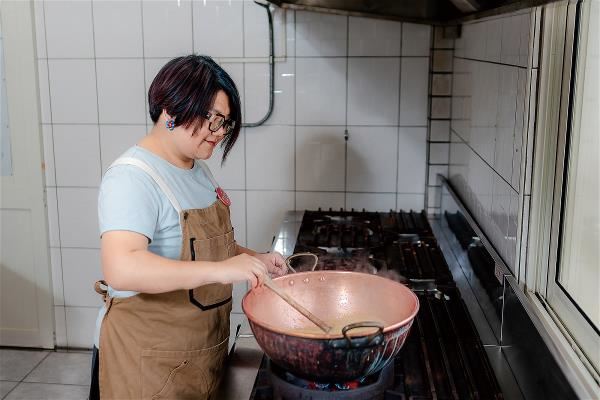
So where did these “love letters” begin? Over a decade ago, after returning home from studying and working up north, Ke Ya got her hands on a recipe for strawberry and mandarin jam. She thought it would be simple, but she’d underestimated the chemistry between fruit, sugar, and lemon juice, and ended up with a jar that looked as dark as cough syrup.
That sense of defeat only sparked greater curiosity, and she became determined to unlock jam’s mysteries. Drawing on her training as an editor, she launched an all-angles investigation into the world of jam.
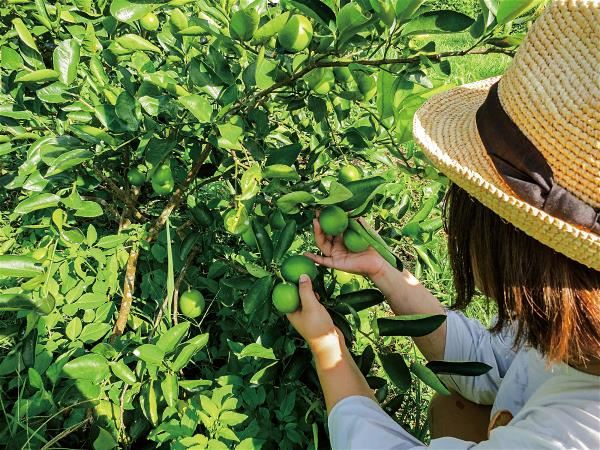
She dove deep into fruit varieties, flavors, and cultures, traveling to farms and orchards to understand how fruit grows. She studied all kinds of sugars—everything from Taiwanese granulated sugar to Japanese jōhakutō and sanontō, Southeast Asian coconut sugar, and European beet sugar—learning how each pairs with different fruits. Honey, coffee, spices, tea, wine—if it could go into jam, it was in her wheelhouse. By mastering these fundamentals, Ke Ya built her own comprehensive flavor database.
Nearly 90% of Taiwan’s fruit is eaten fresh, with minimal processing. But when discussing Taiwan’s advantages, Ke Ya’s voice fills with pride: Thanks to the island’s topography and climate, combined with exceptional agricultural innovation, “every season brings fruit that can be made into jam.”
And high-grade jam captures fruit at its absolute peak, preserving the season’s finest flavors and nature’s landscape in a jar.