2026-3-31
(Courtesy of Taiwan Panorama March 2026)
Esther Tseng / photos by Jimmy Lin
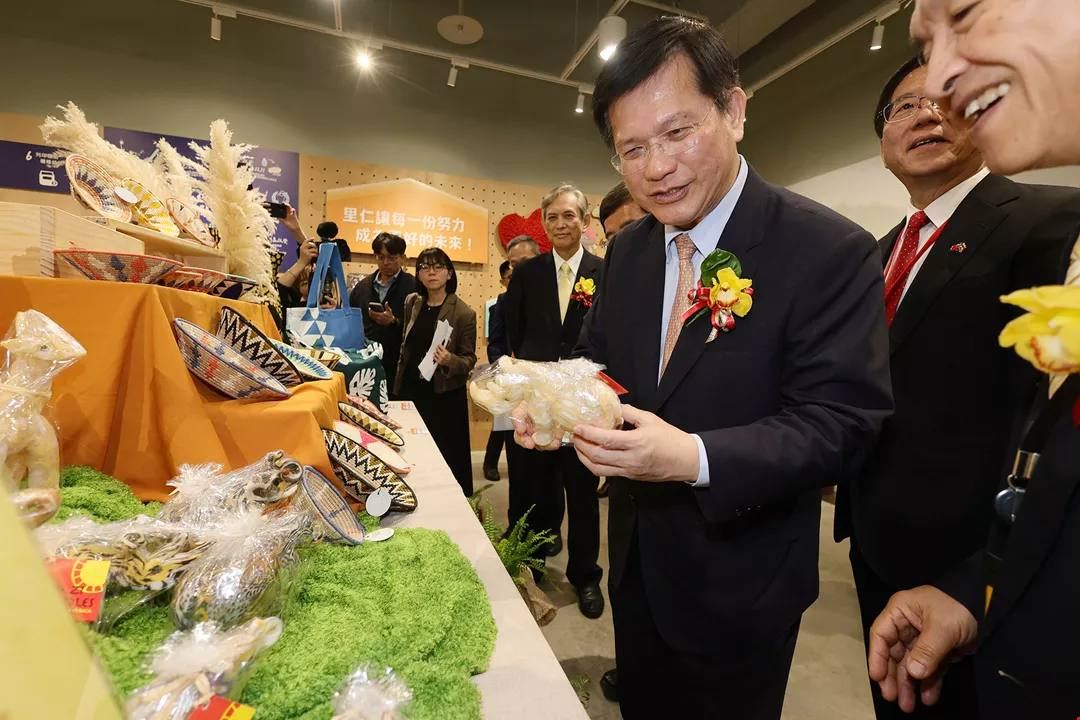
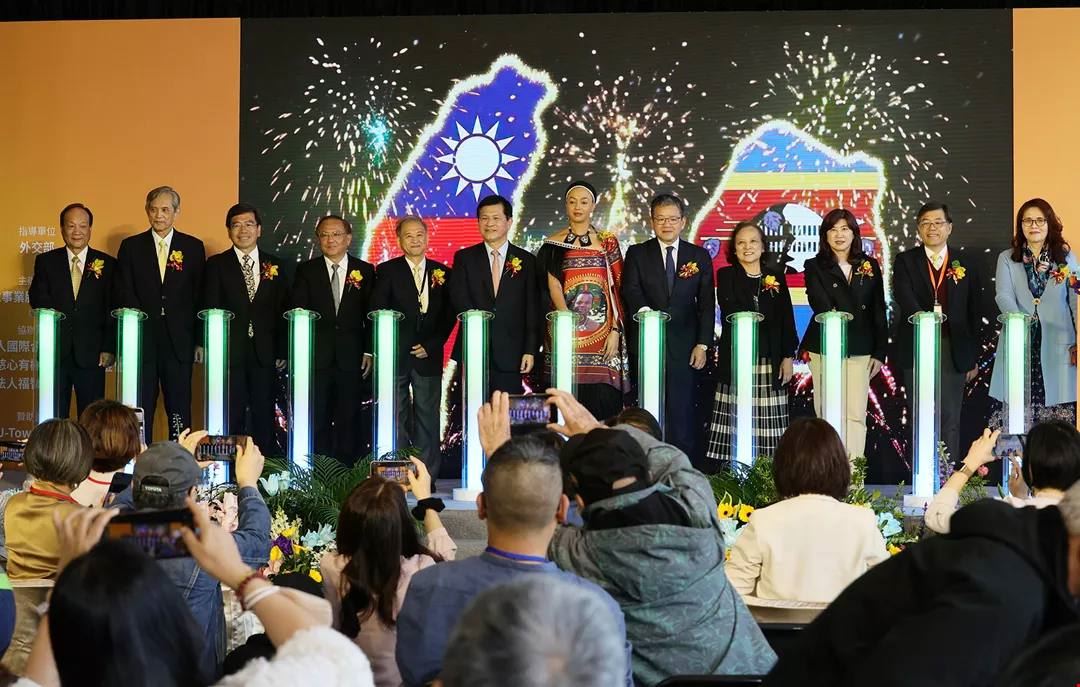
While cutting the ribbon to open the “Eswatini Cultural Festival” at Farglory U-TOWN in New Taipei City’s Xizhi District on March 23, Minister of Foreign Affairs Lin Chia-lung announced that the Ministry of Foreign Affairs (MOFA) will establish a Diplomatic Allies Prosperity Economic and Trade Office. Twelve enterprises have already signed on to this initiative, utilizing a public-private partnership model to form a Diplomatic Allies Prosperity Economic and Trade Company. This venture aims to boost the economic and trade development of Taiwan’s diplomatic allies, propelling Taiwan's “Integrated Diplomacy” onto the world stage.
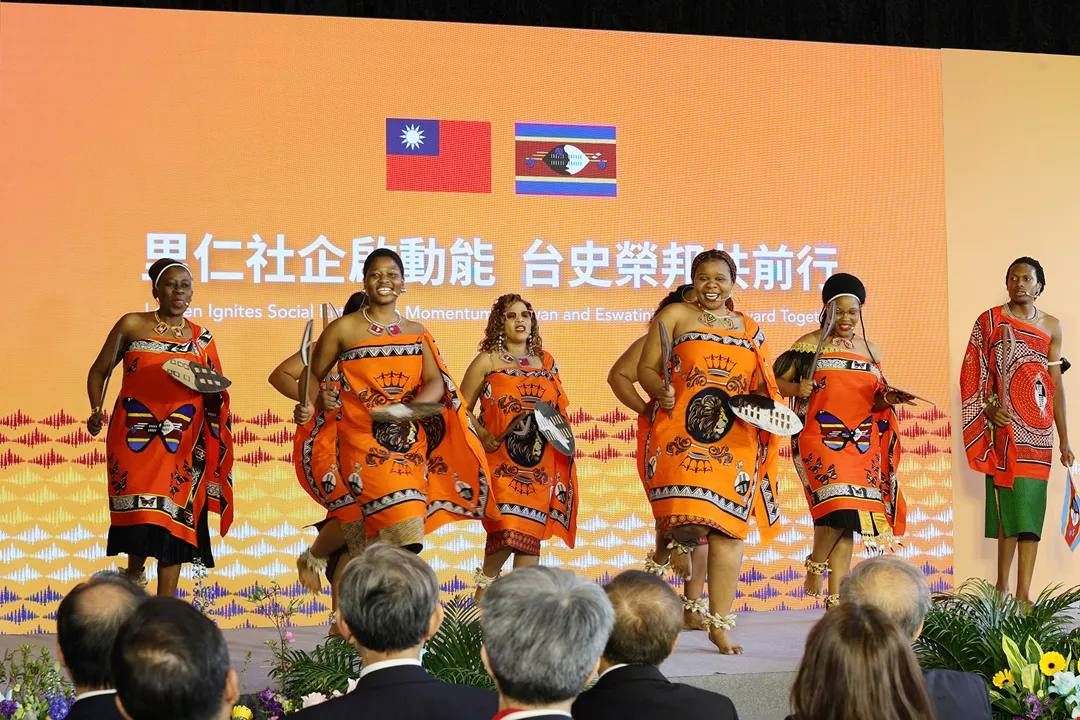
Following a lively opening performance of traditional singing and dancing by Eswatini students studying in Taiwan, Foreign Minister Lin Chia-lung and Abbigail F. Pieterse, First Secretary of the Embassy of the Kingdom of Eswatini, co-hosted the lighting ceremony to officially launch the festival.
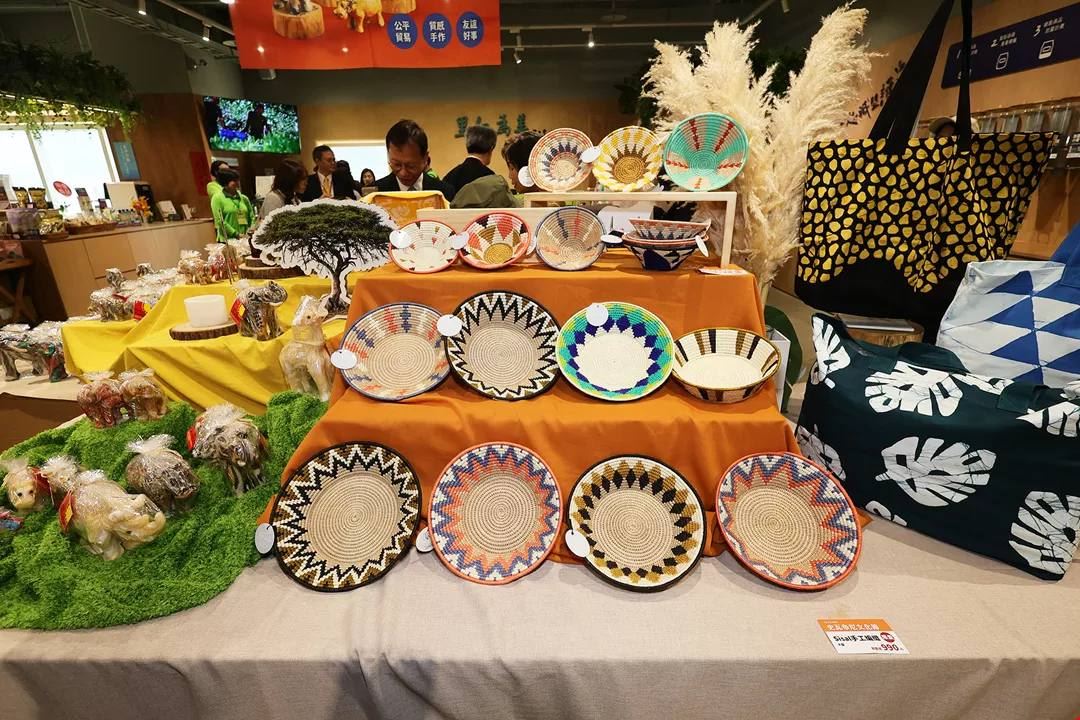
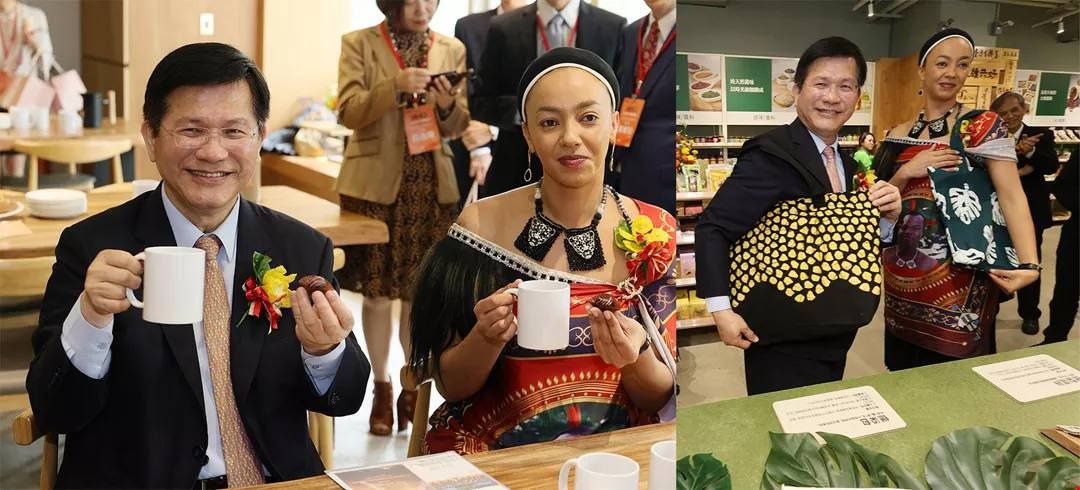
In response to MOFA’s Diplomatic Allies Prosperity Project, the social enterprise Leezen has rolled out a two-week Eswatini Cultural Festival promotional event across its 135 retail outlets and stores nationwide. By selling specialty products from Eswatini, the event encourages Taiwanese consumers to support fair trade goods through direct action, allowing them to experience the genuine vitality of cultural exchange and the sustainable, enduring friendship between Taiwan and Eswatini.
Shared Prosperity, Integrated Diplomacy
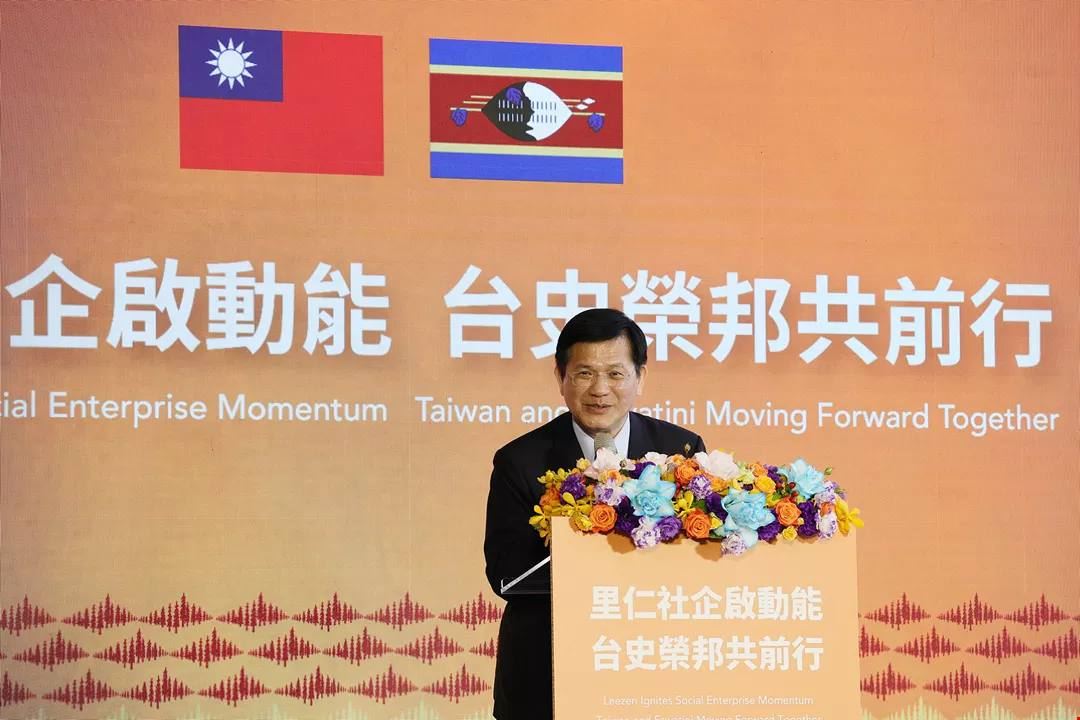
Foreign Minister Lin Chia-lung noted that in April of last year (2025), he led a delegation to Eswatini as a special presidential envoy. He discovered that the nation’s reputation as the “Little Switzerland of the African plains”—due to its breathtaking mountain scenery, lush valleys, and cool, mountainous Highveld region—was well deserved. Moreover, within just two hours, his group spotted all of the “Big Five” game animals (the lion, leopard, African elephant, African buffalo, and rhinoceros). He also mentioned a meaningful coincidence: King Mswati III of Eswatini will turn 58 this year, exactly matching the 58 years since the establishment of diplomatic relations between Taiwan and Eswatini.
How can these bilateral ties be further advanced? Lin explained that beyond participating in Eswatini’s three major annual festivals—the Umhlanga (Reed Dance), Incwala (Warrior Festival), and Marula Festival—Taiwanese enterprises are also collaborating with Eswatini to develop a Taiwan industrial innovation park. Furthermore, initiatives like Leezen’s Eswatini Cultural Festival, which involves the purchasing of representative products from the country, provide an excellent way for the Taiwanese public to better understand our distant ally.
Inspired by Leezen’s efforts, Lin continued, MOFA plans to establish an economic and trade office. Through public-private partnerships and a “large leading small” mentorship model, Taiwan will engage in robust economic and trade exchanges with its diplomatic allies. This approach will elevate Taiwan’s Integrated Diplomacy globally, transforming the nation into a global economic powerhouse “on which the sun never sets” (in the words of President Lai Ching-te).
In her remarks, Abbigail F. Pieterse pointed out that the Eswatini Cultural Festival allows Taiwanese consumers to experience firsthand her country’s goods, produced in the spirit of sustainability. This initiative symbolizes the continuously strengthening economic and trade cooperation between the two nations, and she expressed her heartfelt wishes for an everlasting friendship between Taiwan and Eswatini.
Empowering Women, Sustaining Futures
In Eswatini, women are the key to improving household livelihoods. Enabling women to earn an income also elevates their status within the family and creates opportunities to advance gender equality.
Leezen General Manager Lee Miao-ling noted that after Leezen staff were invited by MOFA to visit Eswatini on a fact-finding mission last year, they discovered local women operating micro-enterprises to produce handcrafted goods like woven grass items, batik fabrics, and handmade candles. These enterprises have created employment opportunities for over 1,400 women in rural areas. Agricultural products like Marula oil for skincare and chili sauce also align perfectly with Leezen’s core values of organic certification and eco-friendliness. Consequently, by hosting the Eswatini Cultural Festival across its retail network, Leezen enables Taiwanese consumers to use their purchasing power to actively support families in Eswatini.